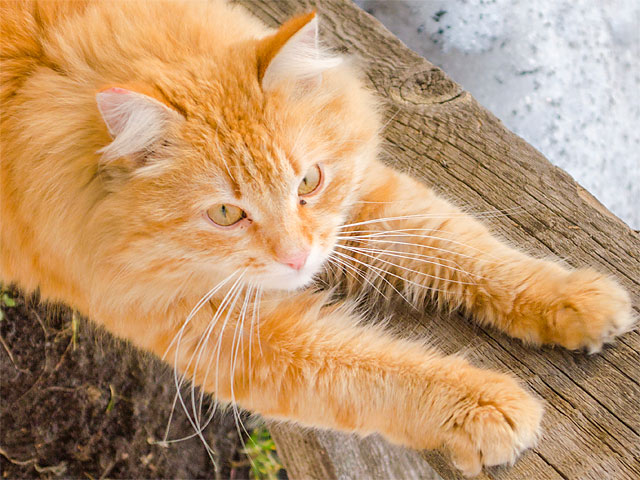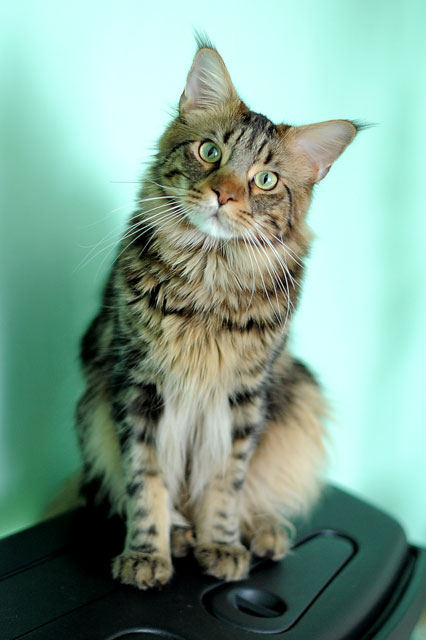
At Dogo Veterinary Clinic and Dogo Veterinary Centre, we are cat lovers and care about their wellbeing. We want to be a CAT-FRIENDLY CLINIC.
We would like to provide you with information about a procedure that you sometimes ask us about: ONYCHECTOMY or DESUNGULATION (removing a cat’s claws). This procedure involves the removal of no less than 10 phalanges!
- It is comparatively more painful than other surgeries.
- There is a high risk of post-operative complications.
- It is not performed in many countries, and in Spain it is expressly prohibited in some autonomous communities such as Catalonia.
- If it has access to the outside of the home, a cat without claws is always at a disadvantage if it has to escape from a predator or face a street fight.
- Onychectomy does not in any way improve the cat’s well-being. It is considered unnecessary mutilation.
- This surgery prevents them from living a normal life. They cannot walk properly, scratch themselves, play with a ball, relax by scratching, etc. All of this increases their anxiety and can lead to behavioural problems.
There are a few tricks that can help your kitten learn where and how it is acceptable to scratch:
- Get your cat used to using the scratching post from an early age.
- Position scratching posts correctly (vertically; firmly anchored so they don’t move; in places that are attractive to cats, which are usually passageways; if your cat has already started scratching in a specific place, put the scratching post near it and gradually move it away).
- It is useful to rub a little catnip on the scratching post.
- Cover sofas with blankets or throws to protect the upholstery.
- Deterrent tactics can be used, such as placing objects that fall easily and make noise when the cat is about to scratch. This way, it will not associate it with punishment from you.
If you cannot prevent it from scratching furniture, you can choose to:
- Cut their nails regularly from the moment they arrive home. There are special nail clippers for cats that you can use, and most cats accept them without any problems. We are happy to show you how to use them.
- If you don’t feel comfortable cutting their nails or your cat won’t let you, you can also put rubber caps on their nails. For some cats, these last for about a month.
Finally, we would like to remind you that at Clínica Veterinaria Dogo and Centro Veterinario Dogo, we strongly advise against having this operation performed on your cat. If you love your cat, leave it as nature intended, play with it a lot, and you will see how it thanks you by growing up happy.
DON’T FORGET THAT SCRATCHING IS A NORMAL ACTIVITY FOR CATS AND THAT THEY NEED TO SCRATCH TO MAINTAIN THEIR PHYSICAL AND MENTAL HEALTH.
(Informative article produced by GEMFE (Group of Specialists in Feline Medicine) of AVEPA (Association of Spanish Small Animal Veterinarians) in collaboration with Hill’s).