
When we suffer from high summer temperatures, it is time to take measures to protect ourselves from the heat, and we must do the same for our dogs. Dogs lack the ability to eliminate heat through perspiration and can only do so through breathing and panting, which is sometimes not enough to lower excessive body temperature. Normally, dogs’ body temperature ranges between 38ºC and 39ºC, so reaching the 41ºC or 42ºC body temperature associated with the first signs of heatstroke can happen quickly.
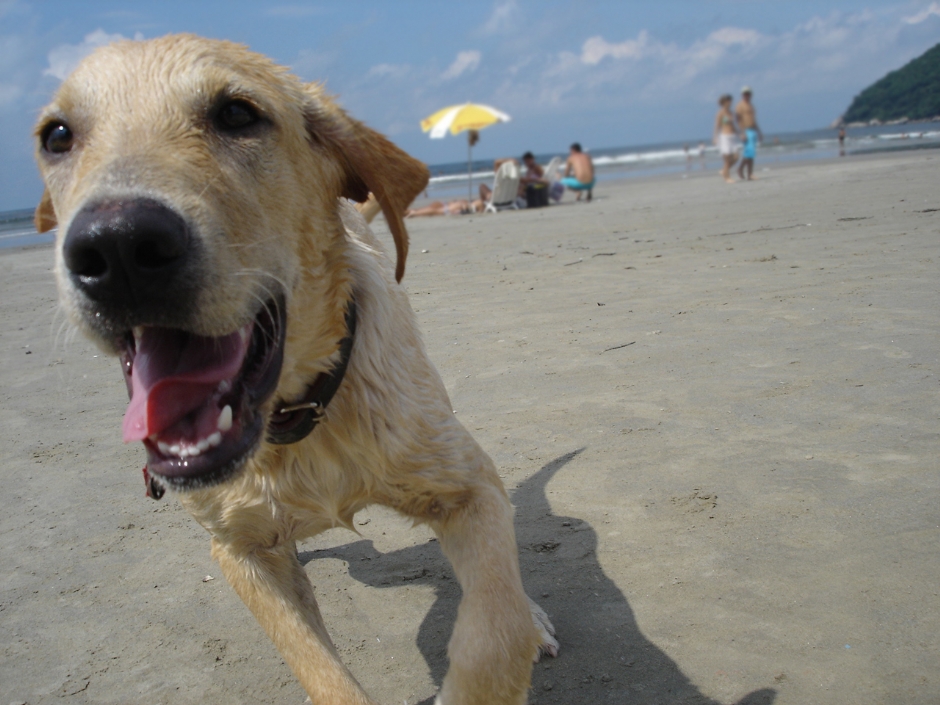
Heatstroke is defined as an increase in core body temperature above 41°C that causes damage to the animal’s tissues and organs. It can occur as a result of exposure to extremely hot environments or when heat generation exceeds the body’s ability to eliminate that heat energy. Among the different causes are prolonged exercise in hot environments, pets being left in vehicles without adequate ventilation, lack of water, or prolonged exposure to hair dryers. Although obese, geriatric, and brachycephalic (snub-nosed or ‘flat-faced’) dogs such as Bulldogs, Pekingese, or Pugs are more predisposed to heatstroke, all dogs are susceptible to it. Naturally, when body temperature begins to rise, heat loss mechanisms kick in: panting, peripheral vasodilation to try to cool the blood by bringing most of it closer to the surface of the skin in contact with the external environment, and instinctively seeking out cool environments. However, if conditions remain the same, the body temperature continues to rise, causing damage and alterations in the animal’s organs, which owners will notice as rapid breathing, agitation and, in more advanced cases, convulsions and diarrhoea, among other things. The dog may even lose consciousness or go into shock. What to do when your dog suffers from heatstroke? Speed is essential. You must lower their body temperature as quickly as possible by placing them in a cool place, wetting them with cold water and offering them water to drink, little by little. Contact your vet as quickly as possible to request treatment for your dog and follow their recommendations for first aid until you arrive at the veterinary clinic. Health care measures for our dogs in hot weather: Do not leave your dog in the car, even for a few minutes with the window slightly open. The vehicle becomes a death trap for dogs in hot weather, and the dog will suffer a rise in body temperature that will endanger its life. Puppies (under one year old) and geriatric dogs are more susceptible to heatstroke and other health complications due to high temperatures. Puppies have an immature immune system and their cooling capacity is not 100%, as in the case of an adult dog. Older dogs (over 6 years old for large dogs and over 9 years old for small dogs) cannot maintain an adequate body temperature as easily as a young dog. Special care must be taken with them when high temperatures begin. The handling of drinking water and food must also be considered with the utmost care in times of high temperatures: water must always be available, fresh and protected from the sun. Remember to clean your pet’s bowls before refilling them with water and food, as exposure to heat increases the growth of bacteria on the surface of the bowls and could cause illness in your pet.