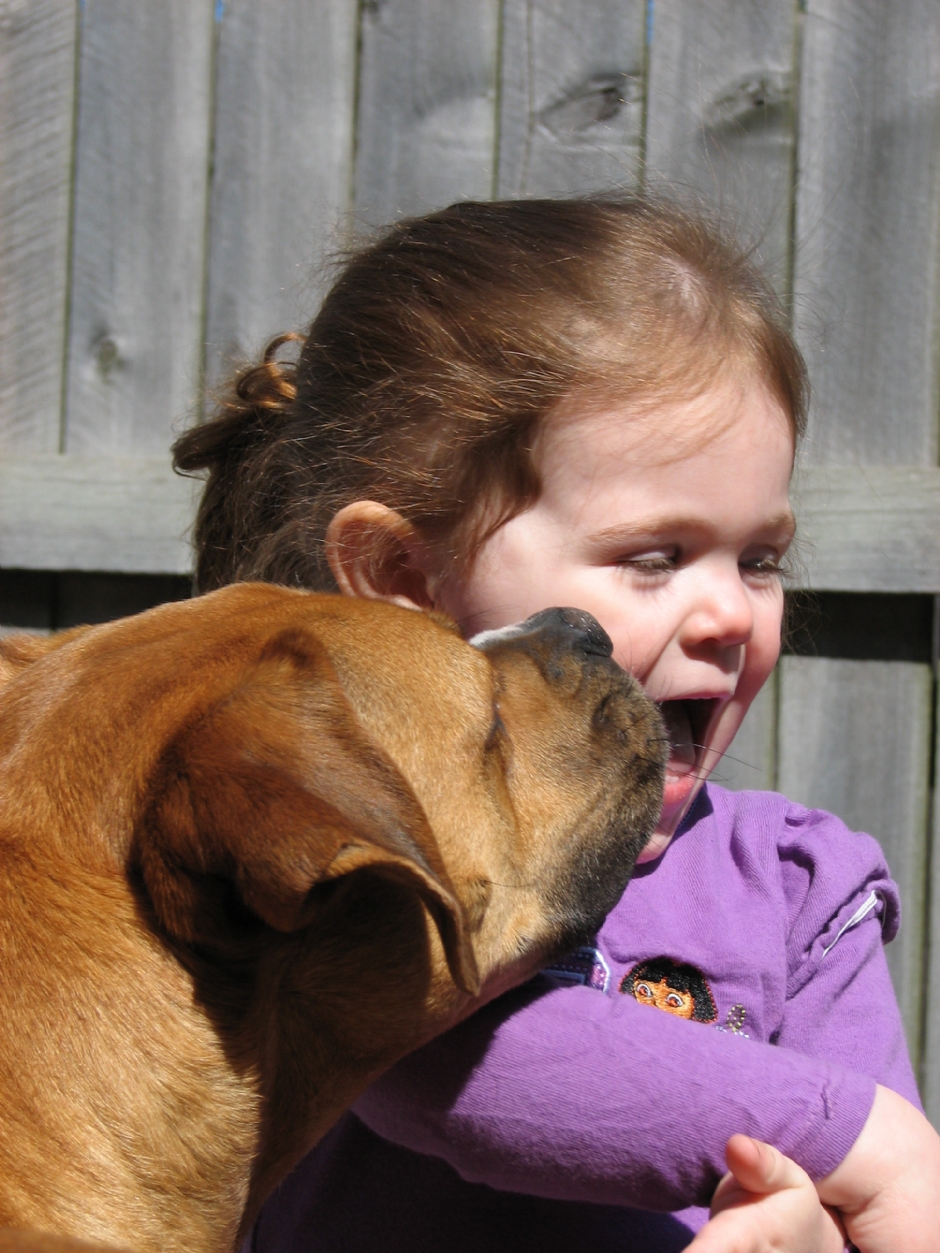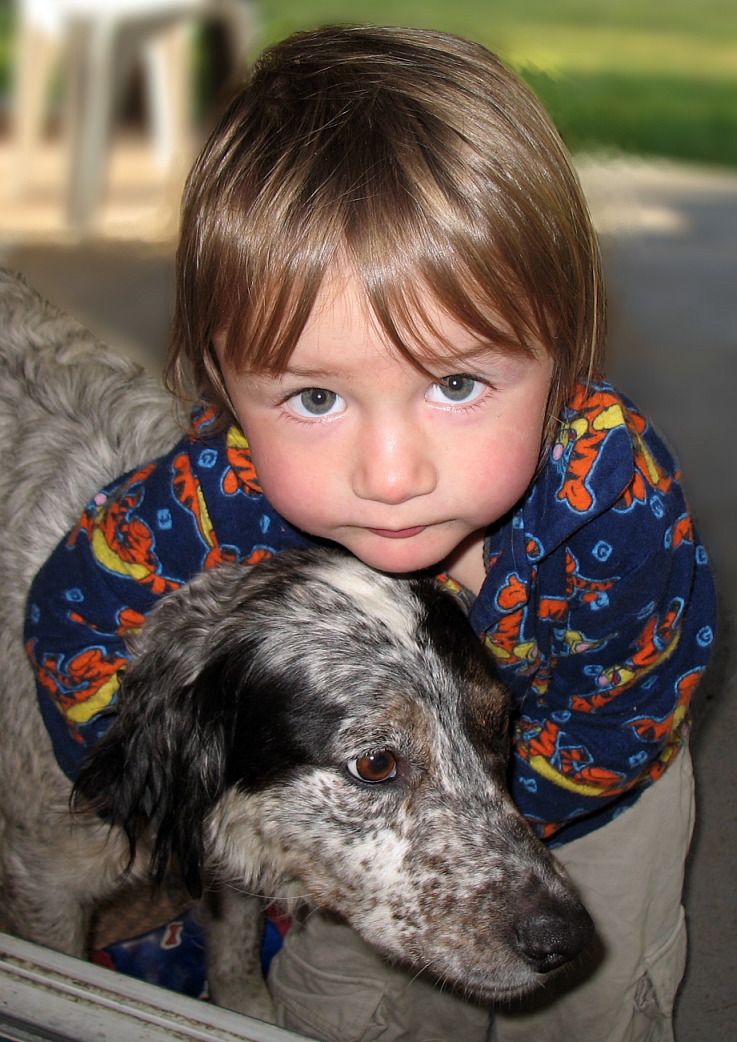
All children love animals, and few of them do not ask their parents for a pet at some point during their childhood. A behavioural researcher conducted a survey of 216 children between the ages of 3 and 13, and 98% wanted a pet; the youngest wanted a playmate, while the older ones wanted a friend. Dogs were the most popular animals, followed by horses and cats.
Childhood among dogs and cats
Psychologists establish the relationship between children and animals because animals offer friendship and companionship without demanding anything in return. They are beings that children can dominate without causing problems or contradicting their wishes. By caring for them, children participate in the responsibilities of the adult world, which they find fascinating.
Psychologists say that by caring for their animals, children develop parental behaviours towards them and adopt the same attitudes as their parents in raising them. Some studies even show that the way children treat their pets reveals how they feel at home and how they experience their relationship with their parents.
The benefits of having a pet include happiness, well-being, a remedy for loneliness, learning experiences, a playmate, unconditional love and, in the case of dog owners, protection for children and the home. Some studies demonstrate the importance of having a pet in the home for the development of children aged 4 to 16 and their families.
Benefits
- It allows children to develop a sense of responsibility and order with regard to caring for and attending to the animal: feeding, training, grooming, and loving it.
- It provides them with companionship and makes them more sociable, as they have a “confidant” with whom to play and share secrets. Children will always be entertained, they will not know the feeling of loneliness and will learn to rely on others, thus assimilating the true meaning of friendship.
- They will be more studious and observant; children will have a greater knowledge of the characteristics of the species and this will allow them to better understand animal behaviour.
- They will become more expressive and communicative.
- They will be more independent and courageous.